Rated 4.7 out of 5 stars
4.7 / 5


726,000+ customers
Free 60-Day Returns
1-Year Warranty
726,000+ customers
Free 60-Day Returns
1-Year Warranty
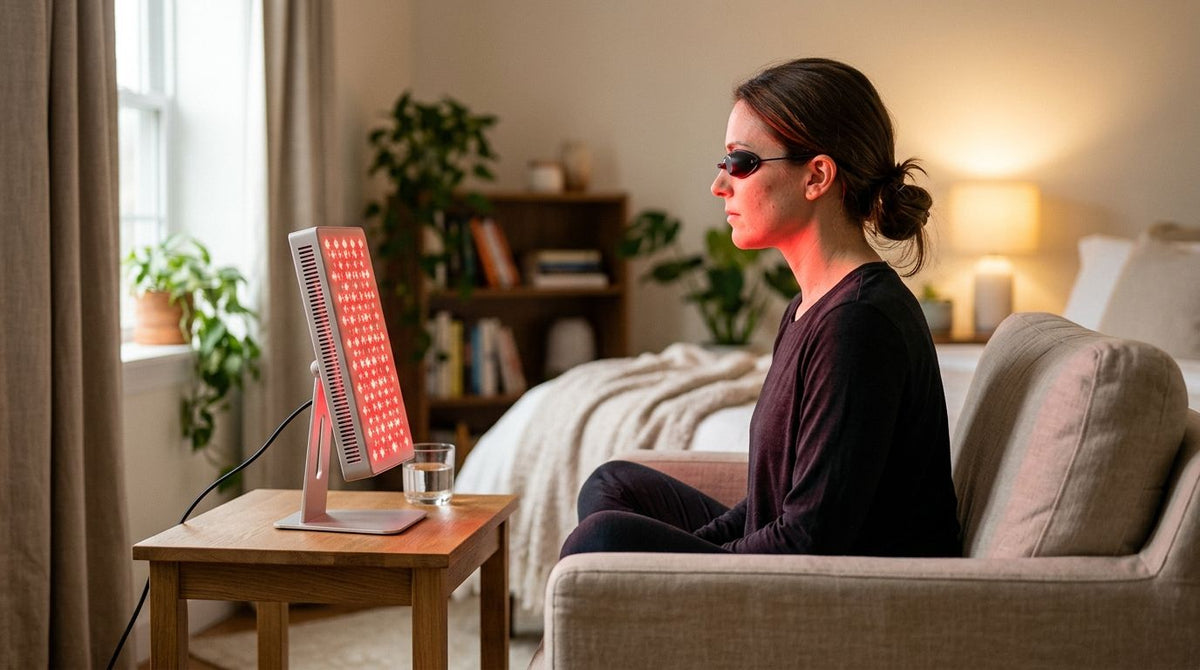
Most red light therapy mistakes have nothing to do with the device and everything to do with how it's used — wrong distance, inconsistent sessions, skipped cleaning, or pairing it with the wrong skincare actives at the wrong time. Fix those five habits and results from red light therapy improve within weeks, not months.
A red light therapy device that sits unused for two weeks, gets held two inches from the face instead of pressed against skin, or gets layered under a fresh retinol application does very little. The technology works through consistent, direct light exposure — skip any one of those variables and the collagen and circulation benefits people expect from red light therapy in 2026 simply don't show up on schedule.
Solawave devices are FDA-cleared and recommended by 750+ doctors and medical experts, but that clearance describes the hardware, not the habit. The mistakes below are the ones that separate people who see visible change in 4-8 weeks from people who give up after two.
If you're new to at-home LED, how to use an LED face mask for the first time walks through the baseline setup before you troubleshoot anything.
Here's the breakdown of what actually derails results, ranked by how often it shows up in skincare routines.
| Mistake | What it does | The fix |
|---|---|---|
| Inconsistent sessions | Collagen signaling resets between gaps | Treat 3-5x a week, same days if possible |
| Wrong distance | Skin loses most of the light energy over air gaps | Keep the panel or wand flush against clean skin |
| Skipping cleaning | Oil and product residue blocks LED output | Wipe the device after every use |
| Layering acids first | Retinol and strong acids increase light sensitivity | Apply red light before actives, not after |
| Treating over makeup or sunscreen | Product barrier absorbs light before it reaches skin | Cleanse fully before every session |
| Ignoring session length | Cutting sessions short reduces cumulative dose | Run the full cycle the device is built for |
The one mistake that matters most: inconsistency. A wand or mask used three times a week for six weeks straight will outperform one used daily for one week and then abandoned.
Red light therapy works cumulatively — each session builds on the last one. People who use a device for a week, see nothing dramatic, and stop are quitting right before results typically start to show.
For a structured plan, how to build a weekly red light therapy skincare routine lays out a realistic cadence instead of guessing.
Light intensity drops off fast over distance — even an inch of air gap between a wand or mask and skin cuts the effective dose. Handheld wands need direct skin contact, not a hover-and-wave motion across the face.
For face masks, this means checking fit: a mask that gaps at the cheeks or the bridge of the nose delivers uneven treatment. Adjust straps before each session rather than assuming the fit from day one still holds in month three.
Oil, sunscreen, and product residue build up on LED surfaces after repeated use and physically block light output across a multi-week 2026 treatment cycle. A device that looks clean can still carry a film that reduces effectiveness.
Wipe the panel or wand head after every session with a dedicated cleaning wipe rather than a generic makeup remover, which can leave residue of its own. The full routine is in how to clean a red light therapy wand.
Retinol, strong exfoliating acids, and red light therapy can coexist in a routine, but not in the same five minutes. Running a session over freshly applied retinol increases skin sensitivity and can cause irritation that has nothing to do with the light itself.
The safer order: cleanse, treat with red light, then apply serums and actives onto calmer, more receptive skin. Details on the acid side are in how to layer exfoliating acids with red light therapy.
The 4-in-1 Radiant Renewal Skincare Wand and the Wrinkle Retreat Pro face mask are built to make consistent contact and dosing easier, but the schedule still has to come from the user.


Most people notice change once they've corrected inconsistent use and distance errors for 4 to 8 weeks straight — the mistake, not the technology, is usually what delayed results in 2026.
A dirty device head can cause irritation from trapped residue, not from the light itself; wiping the panel after each session removes that risk in under a minute.
Combining them isn't a mistake as long as each is used for its intended purpose — red for collagen and fine lines, blue for acne-causing bacteria — and how to use red and blue light together for acne covers the sequencing.
What is the most common red light therapy mistake?
Inconsistent use is the most common red light therapy mistake — skipping sessions interrupts the cumulative effect the treatment depends on. Most protocols call for 3-5 sessions a week to show change by week 4.
Does holding the device too far from skin ruin results?
Yes, even a small air gap between skin and an LED panel or wand cuts the effective light dose. Direct skin contact is required for the treatment to work as intended.
Should I clean my red light therapy device after every use?
Cleaning after every session prevents oil and product buildup from blocking LED output over time. A quick wipe with a dedicated cleaning wipe takes under a minute.
Can I use retinol and red light therapy on the same night?
You can use both, but apply red light therapy before retinol, not after, since freshly applied retinol increases skin sensitivity. Cleansed, untreated skin always comes first.
How often should red light therapy sessions happen?
Most red light therapy protocols recommend 3-5 sessions a week rather than daily or occasional use. Consistency across 4-8 weeks matters more than any single long session.
Is using red light therapy over makeup a mistake?
Yes, treating over makeup or sunscreen blocks light from reaching skin directly. Cleanse fully before every session so the light has a clear path.
Do LED face masks need to fit tightly to avoid mistakes?
A loose or gapping mask delivers uneven treatment, especially at the cheeks and nose bridge. Rechecking strap fit before each session avoids this common error.
What is the best red light therapy device for someone who keeps making these mistakes?
A handheld wand with direct skin contact is the most forgiving option for beginners because contact and pressure are obvious. Masks suit people who want hands-free full-face sessions on a fixed schedule.
The habit that predicts whether someone sees results from red light therapy in 2026 isn't the device model — it's whether the wipe-down happens after every session. Skipped cleaning compounds silently for weeks before anyone notices output has dropped.
 Acne
Acne