Rated 4.7 out of 5 stars
4.7 / 5


726,000+ customers
Free 60-Day Returns
1-Year Warranty
726,000+ customers
Free 60-Day Returns
1-Year Warranty
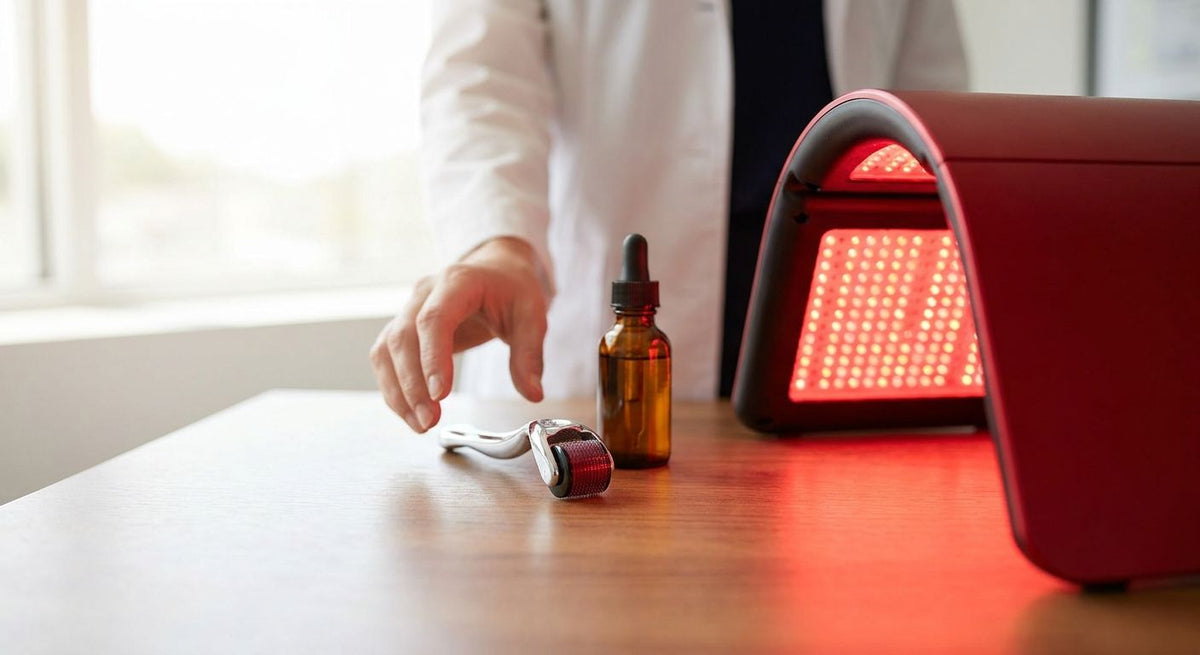
Red light therapy works best on microneedled skin when it's applied right after the needles come out, not before — the micro-injuries respond to red and near-infrared wavelengths while the skin is still primed for repair. Wait until any pinpoint redness settles (usually 15 to 30 minutes with an at-home roller under 0.3mm), then run a short red light session and skip retinoids or acids for the next 24 to 48 hours while the microchannels are still open.
Microneedling creates controlled micro-injuries to trigger collagen production, and the 24 to 72 hours after a session is when skin is most reactive — and most receptive. Adding red light therapy in that window is common practice among estheticians in 2026, but the order and timing matter more than most product pages let on. Get the sequence wrong and you either waste the red light session on skin that isn't ready to absorb it, or you push light into open microchannels alongside ingredients that shouldn't be there yet.
This is also where a lot of at-home routines go sideways. A drugstore roller and a $30 serum aren't the same risk profile as a 1.5mm professional treatment, and the read on "how long to wait" changes depending on which one you're doing. Estheticians increasingly recommend red light as a post-procedure recovery tool rather than a pre-treatment step — see the guide on the post-procedure recovery device guide for how that's typically staged after in-office work.
Follow this order for at-home microneedling with a roller or pen under 0.3mm:
For professional microneedling (needle depths from 0.5mm to 2.5mm), the provider's aftercare instructions override this timeline — some clinics apply LED light immediately in-office as part of the treatment, others recommend waiting several days. Always confirm with whoever performed the procedure before layering a device at home.
This is the standard approach for shallow at-home rollers. The short wait lets surface irritation calm without letting the skin dry out or close up completely. A device like the 4-in-1 Radiant Renewal skincare wand works for spot treatment on smaller areas — jawline, cheeks, forehead — where a roller was used that day.
The goal in this window isn't deeper penetration of actives. It's calming redness and supporting the skin's own repair signaling while avoiding anything that could irritate open channels.
For deeper at-home sessions or anyone with sensitive, reactive skin, pushing red light to the next day is the safer call. Skin has had time to start closing the microchannels, so the risk of driving unwanted ingredients or bacteria into the skin drops. This is also the more conservative choice after any professional in-office microneedling, unless the provider has said otherwise.
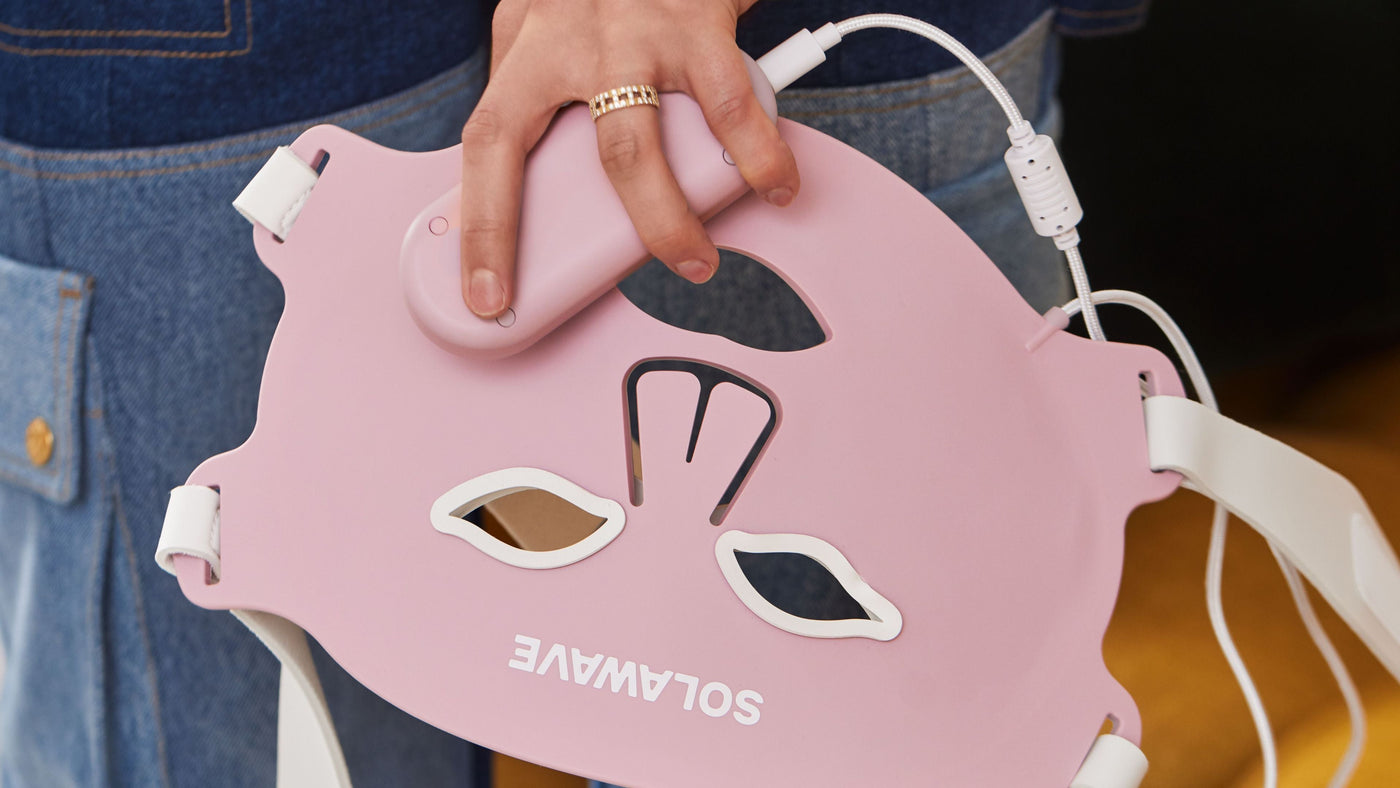
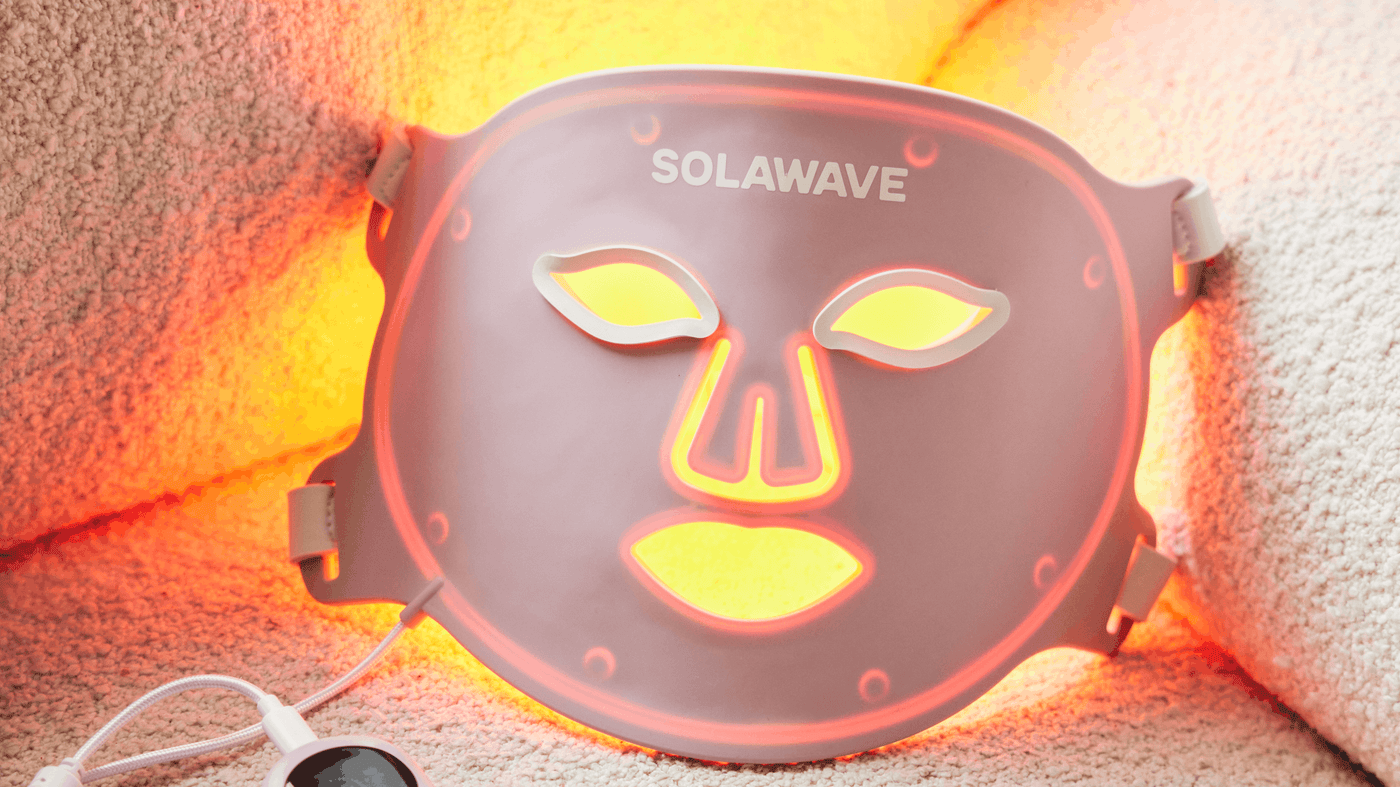
A full-face device like the Wrinkle Retreat Pro LED face mask suits this stage well since it's covering healed-enough skin rather than an actively open wound bed. The mask runs red, infrared, deep red, and amber light across 320 LEDs — a broader spread than a single-wavelength spot device, useful once the skin is past the most reactive first hours.
“If your skin is still pink and warm from the roller, that's the exact window where red light does the most work.”


Red light therapy supports microneedling results by calming inflammation and giving the skin's repair process a boost during the 24-72 hour window when collagen signaling is most active. It doesn't replace what the needling itself does — it's a complement, not a substitute.
Yes, same-day use is standard for shallow at-home rollers under 0.3mm, but only after waiting 15-30 minutes for surface redness to settle. Deeper professional treatments (0.5mm-2.5mm) usually call for a longer buffer set by the provider.
Wait 24 to 48 hours after microneedling before applying retinol, vitamin C, or acid-based actives, since the microchannels created by the needles stay open that long. Red light sessions can happen sooner than actives — the light doesn't carry the same irritation risk as a concentrated active ingredient.
Is it safe to combine red light therapy and microneedling?
Yes, combining red light therapy and microneedling is a common at-home and in-clinic practice in 2026, as long as the timing matches the needle depth used. Shallow at-home rollers need a short 15-30 minute wait; deeper professional treatments need provider-specific aftercare.
Should I do red light therapy before or after microneedling?
Apply red light therapy after microneedling, not before. The skin responds to red and infrared wavelengths once the micro-injuries are already created, and pre-treating with light doesn't add the same benefit.
How often should I microneedle and use red light therapy together?
Most at-home routines microneedle once a week or every other week and use red light therapy on the off days plus right after each microneedling session. Frequency should scale down if skin looks irritated longer than a day.
Can red light therapy replace microneedling for collagen production?
No, red light therapy and microneedling work through different mechanisms — red light stimulates cells with light energy, while microneedling creates physical micro-injuries that trigger a wound-healing response. They're complementary, not interchangeable.
Does red light therapy help with redness after microneedling?
Yes, red light therapy is commonly used specifically to calm redness and swelling after microneedling. Waiting 15-30 minutes post-procedure before the session is the typical approach for at-home rollers.
What wavelength of red light is best after microneedling?
Red and near-infrared wavelengths are the ones typically used for post-microneedling skin support. The Wrinkle Retreat Pro mask from Solawave runs red, infrared, deep red, and amber across 320 LEDs, covering that range in one device.
Can I use red light therapy after professional microneedling at a clinic?
Only if the provider approves it, since professional microneedling depths (0.5mm-2.5mm) carry a longer recovery window than at-home rollers. Always follow the clinic's specific aftercare timeline over general at-home guidance.
Will red light therapy irritate skin that's already sensitive from microneedling?
Red light therapy itself is generally well tolerated on freshly microneedled skin, but skipping fragranced or acid-based serums during the session matters more than the light itself. Sensitive skin types should lean toward the next-day timing instead of same-day.
The FDA caps most over-the-counter derma rollers at a 0.3mm needle length specifically because anything deeper crosses into medical-device territory — which is why the same-day, 15-30 minute wait works for at-home routines but doesn't apply once you're in a clinic doing 1.5mm+ passes. If a routine involves both an at-home roller and occasional professional sessions, run two different timing rules, not one blended guess.
 Acne
Acne